
"Angola coffee regions"
300 article(s) found

Coffee producing area introduces the advantages of siphon coffee maker
● the coffee beans produced at the high latitudes of Costa Rica are famous in the world, full-bodied, mild in taste, but extremely sour. The coffee beans here are carefully processed, which is why they have high quality coffee. The famous coffee is produced in the Central Plateau (Central Plateau), where the soil consists of successive layers of ash and volcanoes.

Introduction to three categories of coffee beans does the action of chlorogenic acid affect the flavor of coffee?
Professional coffee knowledge exchange more coffee bean information please follow the coffee workshop (Wechat official account cafe_style) front street-introduction of the three major coffee bean varieties, chlorogenic acid ingredients 1. The origin of the Arabica species is the Abyssinia Plateau of Ethiopia (now the Ethiopian Plateau). It was mainly eaten as medicine in the early days, and baked and drunk in the 13th century.

Detailed description of the flavor and taste of the world's top boutique coffee bean varieties
Latin American coffee beans (Central and South America) Brazil: Santos, Bahia, Cerrado, Mogiana Mexico: Coatepec, Huatusco, Orizaba, Maragogype, Tapanchula, Huixtla, Plumako

Coffee "pedigree theory" coffee bean variety origin introduction
The birth of coffee said that there are many legends about coffee, two of which are very popular, namely, the story of shepherds and the legend of Arab monks. The story of the shepherd may also be called the legend of Kaldi. The story is set in the Ethiopian Plateau in the sixth century. Legend has it that there was a shepherd named Kaldi in Ethiopia in the sixth century. One day, he found that his sheep suddenly disappeared.
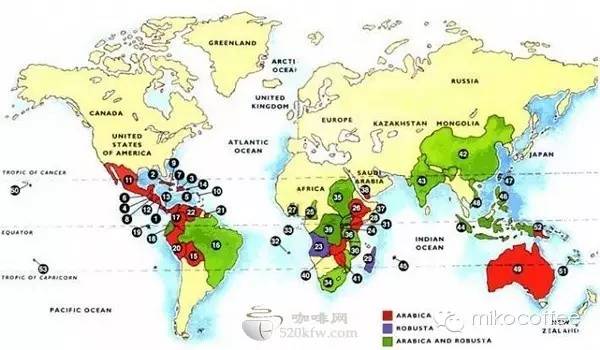
World boutique Coffee beans: the first introduction to Coffee from 53 Coffee producing areas in the World (to be continued)
one. Costa Rican coffee has full grains, ideal acidity and unique strong aroma. Tarrazu of Costa Rica is one of the major coffee producing areas in the world. Costa Rica, with its fertile volcanic soil and good drainage, is the first country in Central America to grow coffee and bananas for commercial value. Coffee and fragrance

World Coffee Manor: a detailed introduction of the most common manor beans in the world
[Brazil] the largest coffee producer, at all levels, accounts for 1/3 of the world's consumption of coffee and occupies a place in the global coffee market, although the natural damage faced by Brazil is many times higher than that in other areas. but the noodles that can be planted are enough. There are many kinds of coffee here, but its industrial policy is large and cheap, so it is special.

What area does the coffee belt refer to near the equator? why is it so important?
Although the world drinks more than 2 billion cups of coffee every day, few of us know where the coffee comes from. Here, let's look at what the coffee belt is and why it is so important. Coffee bean belt is the origin of coffee in the world. The coffee belt is located between the Tropic of Cancer and Capricorn, 23.5 degrees north and south of the equator. The coffee belt passes through about 70 countries, which

What coffee beans do Starbucks use? how to choose coffee beans and roast coffee?
Professional coffee knowledge exchange more coffee bean consultation Please pay attention to the coffee workshop (Wechat official account cafe_style) now the number of new coffee brands has become more difficult for ordinary coffee drinkers, ha, buying coffee has become a thorny matter, so the question of what kind of raw coffee beans to hand-brew comes with it. Can the taste of coffee win the hearts of the people?
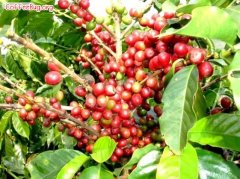
The basics of coffee beans the three native species of coffee
Coffee belongs to the evergreen shrub of the genus Rubiaceae, which is centered in the tropics. There are about 6000 species of Rubiaceae belonging to 500 genera. Coffee has always been thought to have certain effects, such as strengthening the stomach, waking up the brain, stopping bleeding, dissipating heat, strengthening the body, and so on. The more famous Rubiaceae plant is Gardenia jasminoides, whose fruit was dried and used as medicinal material a long time ago. The three native species of coffee
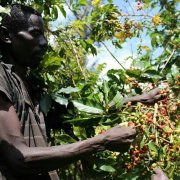
Does the growing environment of Daquan coffee affect the quality and flavor of coffee beans growing countries and producing areas in the world?
The ideal conditions for the growth of coffee trees all over the world are located in the equatorial zone between 25 degrees north latitude and 30 degrees south latitude, known as the bean belt. Fussy Arabica coffee grows best in high-altitude fertile soil, while healthier robusta coffee prefers higher temperatures and thrives on lower ground. What affects coffee?
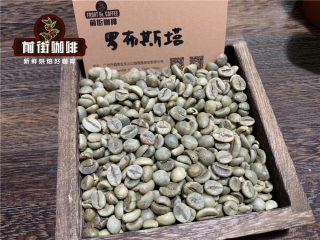
Robusta Fine Coffee Bean Flavor Description Manor Taste Features Introduction to the region
Robusta coffee has a much higher caffeine content than Arabica coffee, about 3.2%. In the general coffee market, many people like to compare Robusta coffee beans with Arabica coffee beans, which is incorrect. Robusta is actually a Congolese species

Types and characteristics of coffee beans how much is a jin of coffee beans
(1) Blue Mountain Coffee: from Jamaica. Pure Jamaican Blue Mountain Coffee perfectly combines the unique sour, bitter, sweet and mellow flavors of coffee. The aroma is very rich, mellow and smooth, with long-lasting fruit flavor, forming a strong and attractive elegance, which is unmatched by other coffee. It can be said to be the best coffee. (2) Mantenin Coffee: Sumanda from Indonesia

The basic knowledge of Coffee beans Coffee beans are the three native species of coffee
Coffee belongs to the evergreen shrub of the genus Rubiaceae, which is centered in the tropics. There are about 6000 species of Rubiaceae belonging to 500 genera. Coffee has always been thought to have certain effects, such as strengthening the stomach, waking up the brain, stopping bleeding, dissipating heat, strengthening the body, and so on. The more famous Rubiaceae plant is Gardenia jasminoides, whose fruit was dried and used as medicinal material a long time ago. The three native species of coffee
The fourth part of the history of coffee-the commercialization of coffee
For many coffee lovers, the period from the mid-19th century to the end of the 20th century was the dark age of coffee. In this day and age, coffee has lost the mysterious charm of the Middle East, become commercialized, and frankly become ordinary. When coffee was first introduced to England in the 17th century, it was enjoyed by all sectors of society. But the rich will enjoy it in their social clubs.

How many coffee producing countries are there in the world?
1. Arabica species (scientific name Coffea arabica) Arabica species is native to Ethiopia's Abyssinian plateau (now Ethiopia plateau), early mainly as a medicinal food (Islamic lovers used as a healing medicine or to wake up), 13th century developed the habit of baking and drinking, 16th century introduced to Europe via Arabia

Which kind of coffee is the best in Peru
Following Cafe (official Wechat account vdailycom) found that the Beautiful Cafe opened a small shop of its own in Peru, located in western South America, with a coastline of 2254 kilometers. The Andes runs from north to south, and the mountains account for 1% of the country's area. it belongs to the tropical desert region with a dry and mild climate. Peruvian coffee is mostly grown at the foot of the Andes, where it is rich in traditional Central American tops.
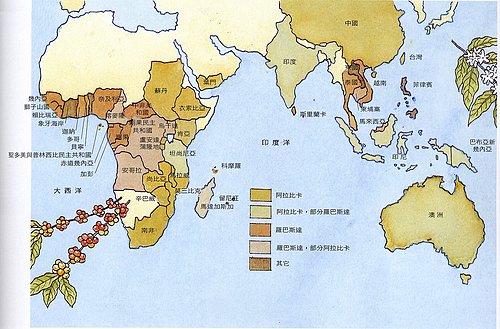
The basic knowledge of Coffee beans the three native species of coffee Robsta species Arabica species Libby
Basic knowledge of coffee beans (1) Coffee belongs to the evergreen shrub of the genus Rubiaceae, which is centered in the tropics. There are about 6000 species of Rubiaceae belonging to 500 genera. Coffee has always been thought to have certain effects, such as strengthening the stomach, waking up the brain, stopping bleeding, dissipating heat, strengthening the body, and so on. The more famous Rubiaceae plant is Gardenia jasminoides, whose fruit was dried and used as medicine a long time ago.
The Common sense of Fine Coffee Culture an inventory of Coffee Culture in various countries
I'm not at the cafe. I'm on my way to the cafe. Do you still remember when this familiar saying began to spread? Once upon a time, going to drink coffee was regarded as a symbol of petty bourgeoisie. How much do you know about coffee culture? Let's go into the kingdom of coffee culture and explore some of its mysteries. The birth of coffee says that there are many legends about coffee.

The characteristics of different varieties of coffee introduce the flavor.
Brazil is the producer of coffee, all grades and types of coffee account for 1/3 of the global consumption. There are many kinds of coffee here. Although there is not much superior coffee, it can be used to make mixed coffee with other coffee. The characteristics of the taste: mild, moderate bitterness, soft aroma. The best frying degree: the output of coffee rich in Colombia is second only to Brazil.

Share the story of Huang Wei, a famous Chinese coffee roaster.
As an imported product from the West, it is not easy for coffee to give birth to a coffee master in China. Our protagonist today is Huang Wei, who learned cocoa processing technology and coffee roasting equipment and production technology during his participation in the construction of a cocoa processing plant assisted by China in Ghana in Africa. After returning to China in 2001, due to work related to Chinese coffee growers in Yunnan, and so on.